
Populations of Focus
APPENDIX C:
Developing a Robust Measurement Strategy
FIGURE 27: DEVELOPING YOUR MEASUREMENT STRATEGY MILESTONES
Figure 27 illustrates the key milestones in the development of a robust measurement strategy.
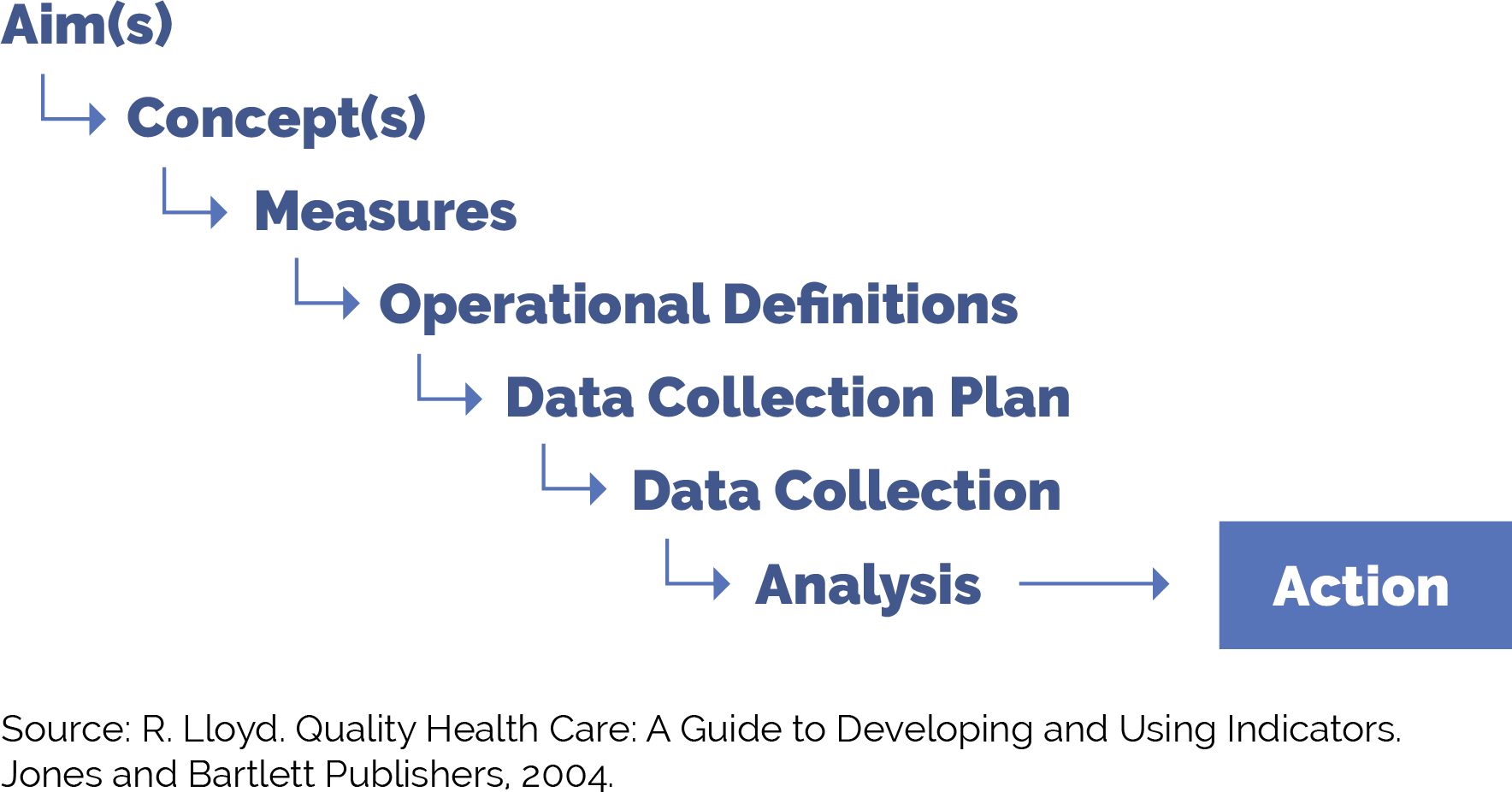
FIGURE 28: DEFINITION AND EXAMPLES FOR MEASUREMENT STRATEGY MILESTONES
Figure 28 provides guidance on each of these milestones as you work to put in place a robust yet practical measurement strategy to improve outcomes for adolescents and adults with behavioral health needs.
Milestone |
Definition and Examples |
Example for Adults with Preventive Care Needs |
|---|---|---|
Aim(s) |
The overall goal(s) of the improvement effort. “What are we trying to accomplish?” We often recommend sub-aims to focus your team on intermediate goals. You can develop data-informed specific, measurable, achievable, relevant, time-bound, inclusive and equitable (SMARTIE) goals focused on increasing adherence to specific AAP preventive care guidelines year over year among attributed patients or subpopulations of patients. |
Identifying and addressing colorectal cancer screening for all patients who are due to increase the percentage of those screened from x% to y% by [insert date]. Example sub-aim: Increase the percentage of our Black patients who are due for colorectal cancer screening from 33% to 70% by December 2025. |
Concept(s) |
A general abstract notion (approach, thought, belief or perception) related to the aim(s) of focus. |
Access to CRC screening options; patient attitudes about CRC screening; patient reminders; speed and efficiency of your workflows. |
Measures |
Specific objective ways to determine the extent to which an aim has been met or to determine if there has been improvement in the concepts of focus. Measures help us to answer the second question in the model for improvement: “How will we know that a change is an improvement?” Measures generally fall into one of three types:
|
See below for example outcomes, process and balancing measures. For the following examples, we will examine a measure tied to patient satisfaction: wait time.
|
Operational definitions |
A detailed description, in quantifiable terms, of what to measure and the steps to follow to measure it consistently each time and over time. The operational definitions help make the measure clear and unambiguous and often contain criteria for inclusion and exclusion and numerator/denominator. |
Patient wait time operational definition: Refers to the total amount of time that a patient spends from the moment they arrive at the health center until they are seen by a healthcare provider or receive the intended healthcare service. The practice will track wait time for all patients with scheduled appointments. |
Data collection plan |
A detailed set of instructions that generally includes:
|
Patient wait time data collection plan: Who (and how):
Where and how the data will be stored:
When the data will be collected:
How often:
|
Data collection |
The process of collecting the agreed upon measures in accordance with the relevant operational definitions and the agreed upon data collection plan. |
Patient wait time data collection: Wait time data is collected semiautomatically when the receptionist notes on the EHR when the patient signs in and when the care team member opens the visit note. |
Analysis and action |
The process of analyzing the data, including instructions for the analysis and visualization of the data, disseminating the data to relevant parties, and using the data to track progress and guide improvement efforts. |
Patient wait time analysis and action: The process where the improvement team reviews data on wait times on a weekly basis and the care team and panel manager review the data subsequently once per quarter or every six months for ongoing monitoring. |
Creating a SMARTIE goal
A SMARTIE goal is important because it clearly states a purpose or direction, ensures everyone is on the same page, and sets a realistic target, all while ensuring the outcome is equitable and inclusive. The template below can help your team ensure your goals are SMARTIE.
MAKE IT SMARTIE
- Specific: Use explicit language that details the intended outcome of your change initiative.
- Measurable: Quantitatively define what success will look like by using baseline data and stating the intended outcome to facilitate progress tracking.
- Achievable/Ambitious: Consider what you can achieve in 2026 and how much you want to stretch your team and organization in achieving the goal.
- Relevant: Explain who or what the project will impact (e.g., specific population) and provide a rationale for why this is important.
- Time-bound: Establish a date or period by which you want to accomplish the goal (include a specific date).
- Inclusive: Bring the people who are most impacted into processes, activities, and decision making in a way that shares power (this may be reflected in how you implement the goal).
- Equitable: Seek to address systemic injustice or inequity.
SMARTIE GOAL TEMPLATE
Improve / Increase / Reduce _____________________________ (specific measure, e.g., vaccine completion rate) of/for ______________ (add population / subpopulation or area of focus – e.g., children between 0-2 years of age) from ___________ (baseline) to ______________ (target goal) by _________ (specific date within 2026).
EXAMPLE
Improve breast cancer screening rates for Latine eligible patients between the ages of 40and 55 that are assigned to our CHC from 45% to 60% by 12/31/2026.
POPULATION HEALTH GUIDE FOR UNDERTAKING 3 PART DATA REVIEW
The three part data review is a tool that can be used to advance work related to population health. It draws on asset-based inquiry, to surface to identify needs and opportunities to understand the ways in which systems have discarded or undervalued the assets of individuals and communities. Groups can then work together to ensure that all can contribute to advancing population health and well-being and dismantling inequities. Access the full resource.